
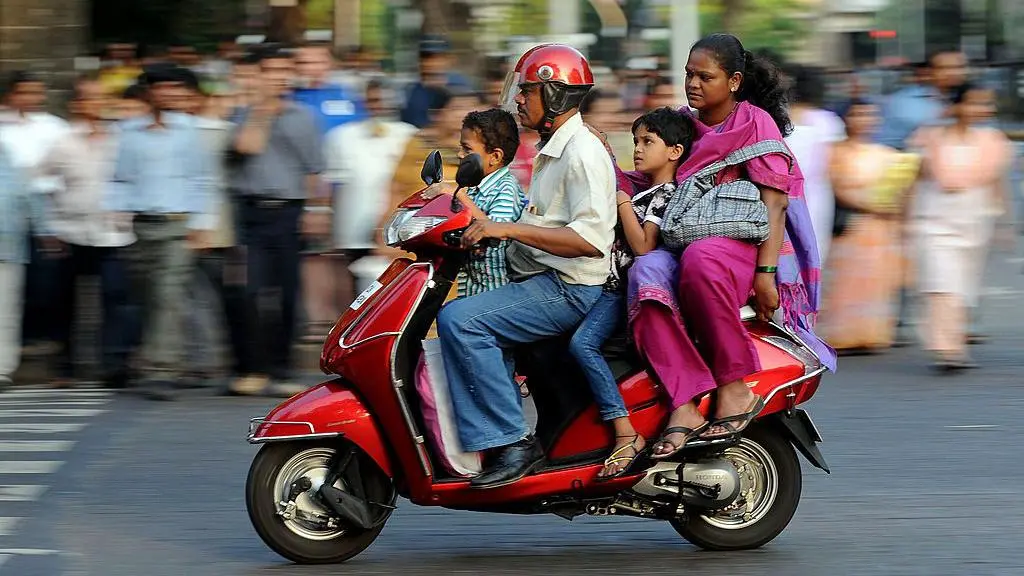
India’s middle class faces growing pressure as educated individuals struggle to achieve financial stability despite degrees and jobs, challenging long-held career beliefs.
India’s middle class, once considered the backbone of economic growth, is now facing pressure from multiple directions — fewer quality jobs, rising living costs, and increasing financial dependence on loans.
The Collapse of the “Degree = Job” Promise
India produces over eight million graduates every year, but job creation has not kept pace. The result is a highly competitive market where even qualified candidates struggle to find suitable employment.
Graduate unemployment has risen significantly, and even students from top institutions are no longer guaranteed high-paying jobs. Salaries for freshers have stagnated, and career growth has slowed down.
This shift highlights a major concern: education alone is no longer enough to secure a stable future.
Automation and AI Are Replacing Entry-Level Roles
The rapid adoption of automation and artificial intelligence is transforming the job market. Roles that once served as entry points for graduates — such as clerical work, customer support, and basic data processing — are being replaced by technology.
Companies are increasingly relying on systems and software to improve efficiency and reduce costs. While this benefits businesses, it reduces opportunities for fresh graduates trying to enter the workforce.
As a result, many young professionals are forced to accept jobs that do not match their qualifications or long-term career goals.
Rising Costs and the Growing Debt Burden
At the same time, the cost of living in India is rising steadily. Expenses related to food, healthcare, education, and transportation continue to increase year after year.
For middle-class families, maintaining a standard lifestyle has become significantly more expensive. In many cases, incomes have not increased at the same rate, creating a financial gap.
To manage this gap, many individuals are turning to personal loans early in their careers. A large portion of their income is spent on repaying these debts, leaving limited room for savings or investments.
Why India’s Middle Class Is Losing Financial Stability
The combination of limited job opportunities, rising expenses, and growing debt is putting immense pressure on India’s middle class. Many graduates are underemployed, working in roles that offer low salaries and minimal growth.
This situation is also affecting the broader economy. As financial pressure increases, people reduce spending, which slows down demand for goods and services. Since middle-class consumption drives a major portion of India’s economy, this trend has long-term implications.
What This Means for Students and Fresh Graduates
The current scenario calls for a shift in approach. Students and young professionals need to focus on:
- Building practical, job-ready skills
- Exploring multiple income sources
- Staying updated with industry trends
- Managing personal finances effectively
Success in today’s world depends not just on education, but on adaptability and continuous learning.
Interesting Read
Conclusion
India’s middle class has played a crucial role in shaping the country’s economic growth. However, the changing job market and rising financial pressures are challenging its stability.
The path forward requires awareness, skill development, and smarter financial planning. For today’s graduates, the goal is no longer just to earn a degree — it is to remain relevant, resilient, and prepared for an evolving future.